




Your Channel Partners Are Leaving Marketplace Revenue on the Table
You've done the right things. You have a transactable listing on Microsoft's commercial marketplace. You've built a channel program with Cloud Solution Providers (CSPs) and systems integrators. Your partners are having good conversations with enterprise customers.
But then you get to the question of how to transact, and the deal falls apart: the customer wants to use their Microsoft Azure committed spend. Your partner wants to include their services markup.
You don't want your partner to disintermediate your listing. Nobody agrees on how to route the transaction.
This is the problem that Azure Multiparty Private Offers (MPOs) were built to solve. MPOs are the mechanism that lets your ISV software, your partner's services, and your customer's Microsoft procurement all land in the same Marketplace transaction — cleanly, with everyone's interests protected.
If you have a channel program and a Microsoft commercial marketplace listing, and you're not actively using MPOs, you're leaving a significant channel revenue motion inactive. Here's how it works and how to build it correctly.
What Is an Azure Multiparty Private Offer?
An Azure Multiparty Private Offer is a Marketplace transaction structure involving three parties:
If you want a faster path through the analysis, the Marketplace Fee Calculator is free and takes under five minutes to model your net revenue across AWS, Azure, and GCP fee structures.
- The ISV (you): The publisher of the software offer. You set the software price — specifically, the price you're willing to accept from the partner (your wholesale or channel price).
- The Cloud Solution Provider (CSP) or Partner: The reseller, MSP, or SI who is delivering the overall solution to the customer. They add their margin and any services component on top of your software price.
- The End Customer: The enterprise buyer who ultimately transacts. They see the partner's combined offer (software + services), not your underlying price.
The transaction flows through Microsoft's commercial marketplace. The customer pays the partner. The partner pays you and Microsoft. Microsoft handles the billing infrastructure, MACC eligibility, and disbursement.
Critically: if your offer is IP Co-Sell Eligible, MPO transactions are MACC-eligible. Enterprise buyers can apply their Microsoft Azure Consumption Commitment to MPO purchases, which is a compelling MACC drawdown accelerator for procurement teams with committed spend to burn down.
MPO vs Standard Private Offer: When to Use Which
Use a Standard Private Offer When:
- You are selling directly to the end customer with no channel partner involved
- The customer wants to transact directly with you (no intermediary)
- The deal doesn't involve a services component that a partner is delivering
- You want maximum control over the deal terms and the customer relationship
Use a Multiparty Private Offer When:
- A CSP, MSP, SI, or reseller is delivering implementation, managed services, or integration work on top of your software
- The customer wants a single vendor to invoice them for the complete solution
- The partner has a stronger primary relationship with the account than you do
- The deal needs to clear the customer's MACC committed spend balance
- The partner needs to include their margin without it being visible to you or the customer
- You want to protect your relationship with the partner while still transacting through Marketplace
The key distinction: MPOs are for channel deals where a partner is adding genuine value. They are not for simple resale where a partner wants to clip margin without contributing to delivery.
Microsoft's program terms require partners in MPOs to be actively engaged in the customer solution.
The MPO Transaction Flow: Step by Step
Step 1: ISV Creates the Margin-Sharing Offer
You, the ISV, initiate the MPO by creating a private offer in Partner Center and designating it as a multiparty offer. In this offer, you specify:
- The base offer from your marketplace listing that the MPO is built on
- The partner (identified by their MPN ID) who will extend the offer to the customer
- Your ISV price — the amount you receive per unit. This is the floor; the partner can only sell at this price or above
- Contract duration, dimension quantities, and any custom terms you're including
Once created, the partner receives a notification in their Partner Center that an MPO is available for them to extend.
Step 2: Partner Extends the Offer to the Customer
The CSP or reseller partner accepts your margin-sharing offer and creates a Customer Private Offer from it. They configure:
- The customer price — which includes your ISV price plus their margin
- Any services SKUs or additional components they're adding
- The customer's Microsoft tenant or billing account
- The offer expiration date
The partner's margin (the difference between customer price and your ISV price) is confidential — neither you nor the customer sees it.
Step 3: Customer Accepts the Offer
The end customer receives the MPO in their Azure portal or through a direct link the partner shares. From the customer's perspective, this is a standard private offer — they see the combined price the partner has set, the offer terms, and the product details.
They accept the offer using their Microsoft account, triggering the subscription.
If the customer has MACC committed spend and your offer is IP Co-Sell Eligible, the purchase automatically counts toward their MACC balance.
Step 4: Microsoft Settles the Transaction
Microsoft collects the customer price from the end customer (billed to the partner's account, which the partner passes through to the customer). Microsoft deducts the Marketplace transaction fee, disburses your ISV price to you on the standard schedule, and reconciles the partner's billing separately.
You receive your ISV price from Microsoft — your disbursement is not dependent on the partner collecting from the customer. This is an important financial protection: your revenue from the ISV layer is handled by Microsoft regardless of the partner's billing relationship with their customer.
Setting Up Your MPO Program: Practical Considerations
Partner Eligibility
Not all partners can participate in MPOs. The channel partner must be:
- An active participant in Microsoft's CSP program (direct-bill CSP or indirect reseller through a CSP distributor)
- Enrolled in Partner Center with a valid MPN ID
- In good standing with Microsoft's partner compliance requirements
Before building your MPO program, identify which of your existing channel partners are CSP-eligible. For partners who aren't yet in the CSP program, work with them to understand the enrollment path — or consider whether their profile (SI or boutique MSP) is better served by a different deal structure.
Pricing Architecture for MPOs
Your ISV price in the MPO is your floor — the minimum you'll accept per deal routed through the channel. Key decisions:
- ISV price discount vs. list price: What discount (if any) do you offer partners over your public listing price? Some ISVs maintain the same price for direct and channel deals; others offer a partner discount to create margin room for services wrapping. Decide this before your first MPO conversation with a partner.
- Volume-based wholesale tiers: For partners who commit to volume or who have large account portfolios, you may offer better ISV pricing. Build this into your channel partner agreement before partners start creating customer offers.
- Services exclusion: Your ISV price should be software-only. Partners set the total customer price including their services. Don't try to control the services margin — it's the partner's to set.
Deal Registration to Avoid Channel Conflict
When multiple partners are pursuing the same customer or account, MPOs can create channel conflict if there's no deal registration policy. ISVs with mature MPO programs establish deal registration rules: the first partner to register a specific account/opportunity gets price protection (your ISV price) for a defined window.
Communicate this policy to partners before they start creating offers. Retroactively resolving channel conflicts after offers have been sent to customers is significantly messier than preventing them with clear rules upfront.
MPO Limitations to Know Before You Build
- CSP-only partner eligibility: MPOs require the channel partner to be in Microsoft's CSP program. If your channel runs primarily through non-CSP SIs or independent resellers, you'll need those partners to join the CSP program or explore alternative structures.
- Offer type constraints: MPOs are available for SaaS offers and Azure application offers. Container and VM offers have different channel transaction mechanisms.
- Customer type restrictions: The end customer must be a commercial customer with a Microsoft billing account. Government and some nonprofit account types have different transaction paths.
- Per-customer pricing visibility: While partner margin is confidential, your ISV price is not fully confidential with the partner — the partner knows your floor. Build trust with partners around pricing confidentiality and put appropriate NDA provisions in your channel partner agreements.
Building Your MPO Motion: What Good Looks Like
ISVs who run effective MPO programs typically share these operational characteristics:
They have a dedicated channel operations owner. MPOs require coordination across ISV, partner, and customer — someone needs to own tracking each in-flight MPO deal, following up on offers that haven't been accepted, and reconciling revenue against Partner Center reports.
They train partners proactively. The most common MPO failure mode is a partner who doesn't know how to create a customer offer from your margin-sharing offer. Build a short enablement guide — or better, a live training session — before your first partner goes live.
They track MPO revenue separately. In your CRM, tag every deal that closes via MPO with the originating partner. This lets you calculate partner-attributed Marketplace revenue, evaluate partner performance against quota, and build the data that informs co-sell prioritization decisions.
They use MACC eligibility in sales conversations. Partners who understand that MPO transactions are MACC-eligible will proactively use this with their customers. Arm your partner enablement materials with the MACC angle — for any enterprise customer behind on their Microsoft committed spend, an MPO purchase is a procurement win.
How Automatum Supports MPO Operations
Managing MPOs at scale requires operational infrastructure that most ISVs don't have internally: deal registration tracking, partner offer creation coordination, revenue reconciliation against Partner Center disbursements, and subscriber lifecycle management for customers who came through partner-created offers.
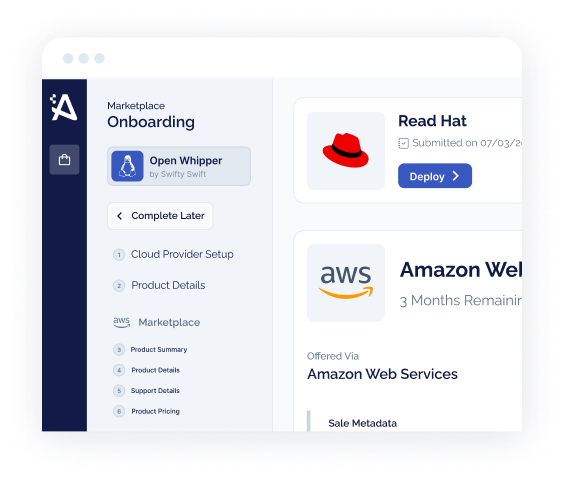
Automatum's platform includes private offer management for both standard and multiparty offers on Microsoft's marketplace. We handle the operational complexity of running an MPO program — partner coordination, offer tracking, lifecycle management, and revenue attribution — so your team can focus on building partner relationships and closing deals rather than managing Marketplace plumbing.
We've helped ISVs launch their first MPO programs and scale them to meaningful channel revenue without standing up a dedicated Marketplace operations function. If you're building a Microsoft channel program, this is exactly the operational layer you need.
Activate Your Azure Channel Motion With MPOs
Multiparty Private Offers are not a niche capability. For any ISV with a channel program and a Microsoft commercial marketplace listing, MPOs are the mechanism that makes the channel work at enterprise scale. They give your partners a clean, professional transaction path.
They give your customers MACC eligibility. They give you channel revenue that flows through Marketplace without disintermediating your listing.
If you're ready to activate MPOs in your channel program — or if you need help understanding which of your partners are CSP-eligible and how to structure your first deals — connect with the Automatum team. We'll map out the process for your specific channel structure and help you go from concept to first MPO transaction.
Automatum simplifies cloud marketplace operations across AWS, Azure, and GCP.
Book a Working Session →Frequently Asked Questions
Common questions about the topics covered in this guide.
What is an Azure Multiparty Private Offer?
An MPO is a marketplace transaction involving three parties: the ISV sets the wholesale software price, a CSP or reseller partner adds their margin and services, and the enterprise customer accepts the combined offer. Microsoft handles billing, MACC eligibility, and disbursement.
When should I use an MPO vs a standard private offer?
Use standard private offers when you sell directly to the end customer with no partner involved. Use MPOs when a channel partner is delivering implementation, managed services, or integration work on top of your software and needs to include their margin.
Are MPO transactions MACC-eligible?
Yes, if your offer is IP Co-Sell Eligible, MPO transactions count toward the customer's Microsoft Azure Consumption Commitment. This is a compelling procurement incentive for enterprise buyers with committed Azure spend.
What partner types can participate in MPOs?
The channel partner must be an active participant in Microsoft's CSP program, either as a direct-bill CSP or an indirect reseller through a CSP distributor, enrolled in Partner Center with a valid MPN ID.
Keep building your marketplace motion
More guides on private offers, co-selling, and multi-cloud strategy.