



The Multi-Cloud Question Every ISV Eventually Faces
You listed on AWS Marketplace. Deals are closing faster, procurement friction is down, and your CRO is asking why you are not doing the same on Azure and GCP.
Or maybe you are still on your first marketplace and a major prospect just said, "We are an Azure shop — are you on the Azure Marketplace?"
Either way, you are now thinking about multi-cloud marketplace strategy. And the instinct for most sales leaders is to go add all three as fast as possible.
That instinct is understandable, but it is also how teams end up with three half-built listings, confused reps, and no clear owner for the channel.
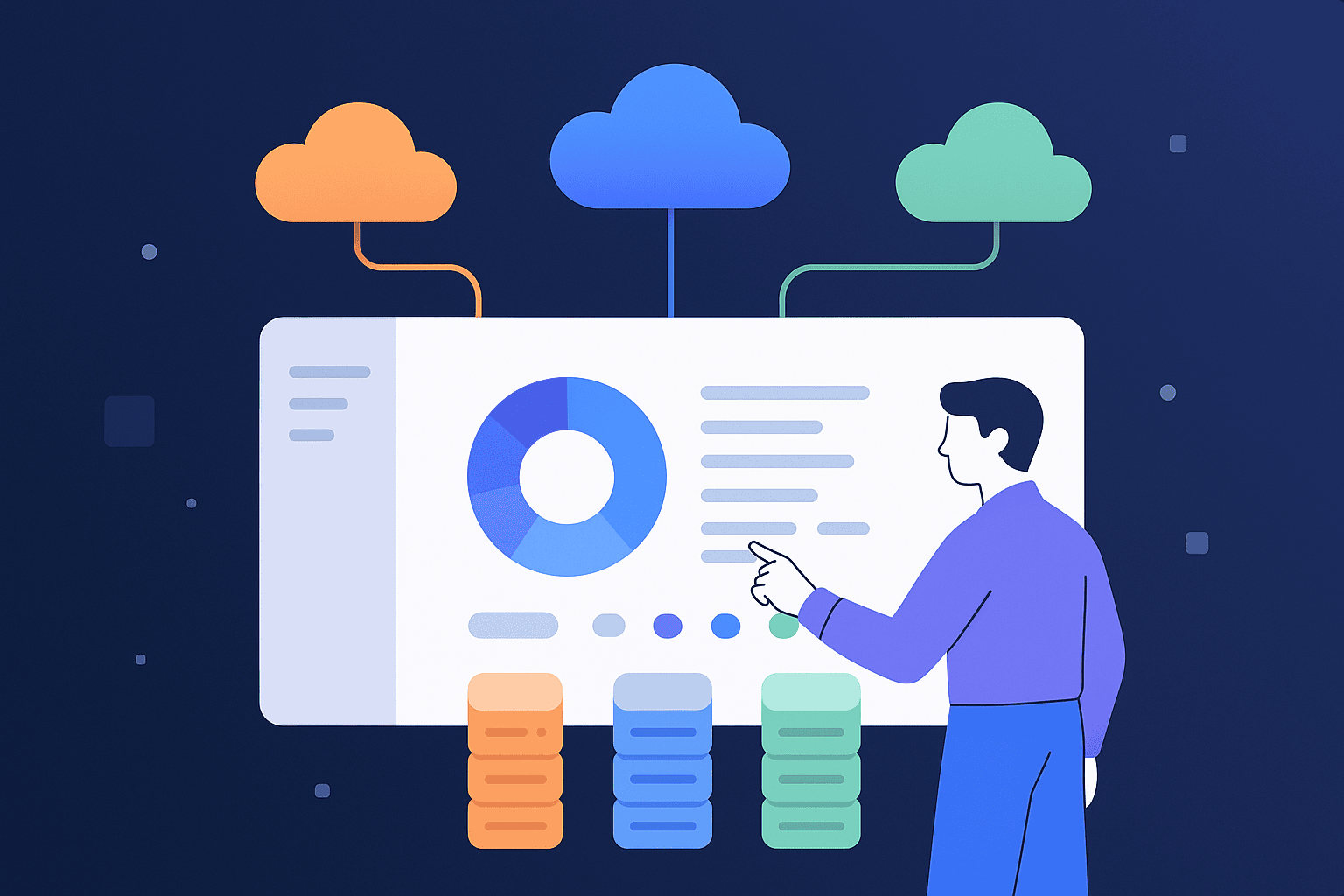
The ISVs who build successful multi-cloud marketplace programs treat it as a deliberate go-to-market decision, not a checkbox exercise. They sequence marketplaces based on where their customers are, build repeatable processes before expanding, and use infrastructure that lets a small team manage multiple clouds without proportional headcount growth.
This guide will walk you through the framework.
Why Multi-Cloud Marketplace Matters Now
Before the framework, it is worth anchoring on why this conversation is happening across every ISV sales org right now.
If you want a faster path through the analysis, the Cloud GTM Maturity Score is free and takes under five minutes to score your cloud go-to-market readiness in under five minutes.
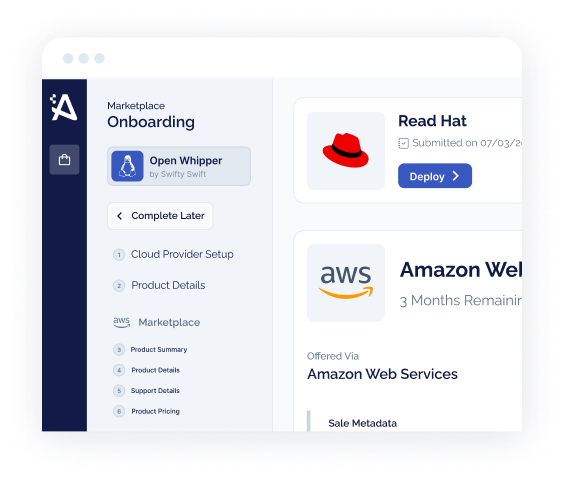
Automatum simplifies cloud marketplace operations across AWS, Azure, and GCP.
Book a Working Session →Frequently Asked Questions
Common questions about the topics covered in this guide.
Should I list on all three cloud marketplaces?
Eventually yes, but sequence matters. Start with the marketplace where 40 percent or more of your customers run workloads, build a repeatable motion, then expand. Trying to list on all three simultaneously divides attention and results in no listing being done well.
What is the recommended sequencing for multi-cloud listings?
Lead with your primary cloud, add the secondary cloud 6 to 12 months later once you have a repeatable motion, and add the third when the second is operational. The exception is a large prospect explicitly requiring a specific marketplace.
What are the biggest pitfalls of multi-cloud marketplace?
Assuming pricing models are interchangeable across clouds, underestimating different review timelines, managing three separate dashboards, inconsistent sales rep enablement, and forgetting that co-sell programs require separate enrollment on each platform.
How do I manage operations across three marketplaces?
Without a unified management layer, multi-cloud marketplace requires dedicated headcount just for operational basics. Platforms like Automatum provide a single dashboard for listings, private offers, entitlements, and co-sell tracking across all three clouds.
Keep building your marketplace motion
Platform-specific guides and strategy resources for your marketplace program.